Platform comparison
| Platform | YES odds | NO odds | Fee | KYC | Settlement | |
|---|---|---|---|---|---|---|
Polymarket UK Pick polygram.ink |
55% | 45% | 0% (USDC on-chain) | No-KYC up to $1,500 | USDC, auto via UMA oracle | Open on Polymarket UK → |
Polymarket polymarket.com |
55% | 45% | 0% | Geo-blocked in US/UK/EU | USDC, on-chain | Open on Polymarket UK → |
Kalshi kalshi.com |
— | — | Up to 7% per trade | US-only, KYC required | USD | Open on Polymarket UK → |
Betfair Exchange betfair.com |
— | — | 2-5% commission | Full KYC from first trade | GBP / EUR | Open on Polymarket UK → |
Manifold Markets manifold.markets |
— | — | Play-money (mana) | None — play-money | Mana (no cash-out) | Open on Polymarket UK → |
Live odds for Polymarket-based markets come from the Polygon order book. Non-Polymarket venues show attributes only; clicking any row opens the market on Polymarket UK.
Market context
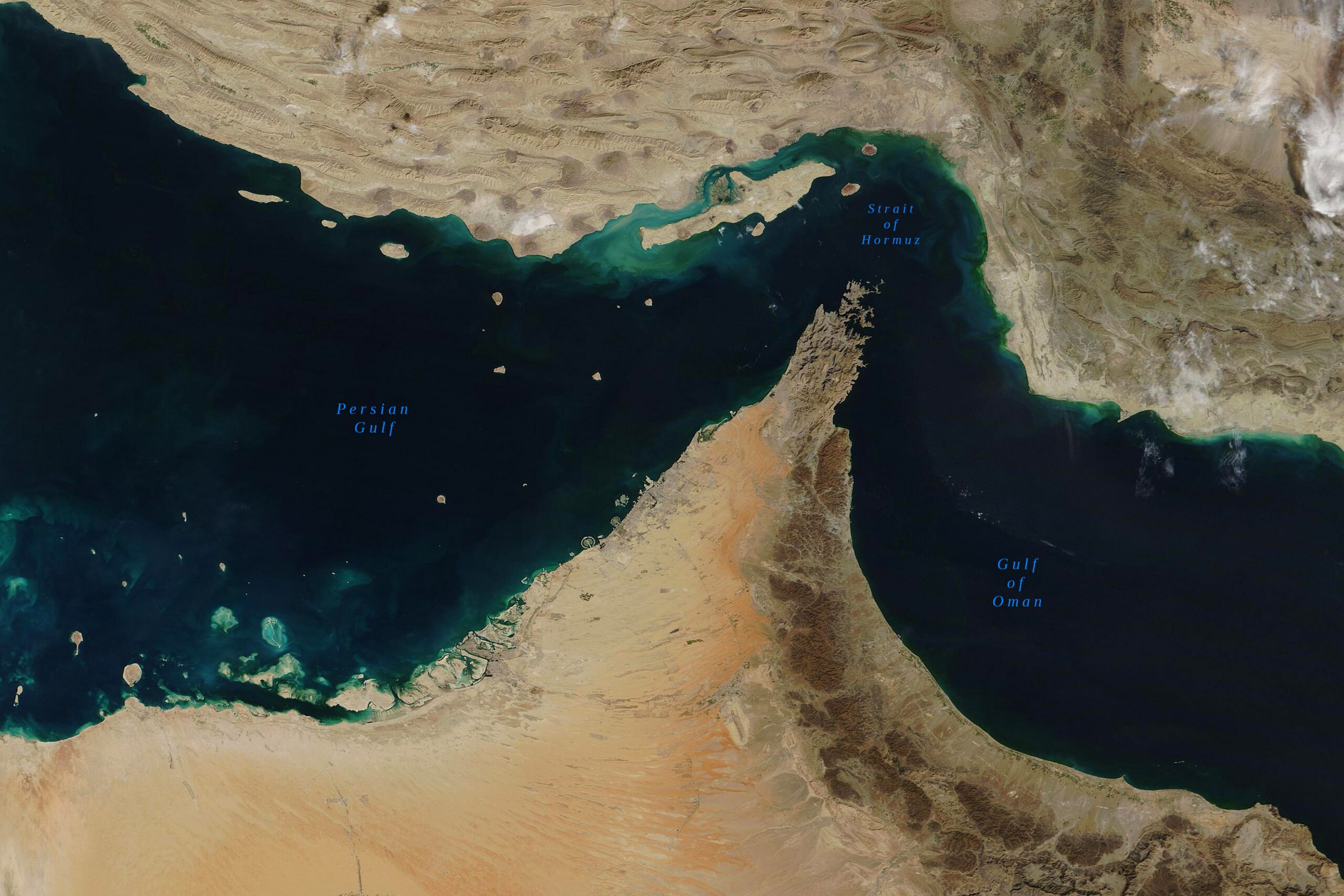
The Strait of Hormuz, through which roughly one-fifth of global oil passes daily, has experienced significant disruption since early 2024 owing to regional tensions and Houthi attacks on commercial shipping. The market asks whether transit traffic—measured by daily arrivals of container, bulk, tanker, and general cargo vessels—will recover to a 7-day moving average of 60 or above by mid-July 2026. Polymarket currently prices YES at 55%, reflecting genuine uncertainty about whether normalisation occurs within the 18-month window. On-chain, traders hold conditional tokens on Polygon, settling in USDC once IMF Portwatch publishes the requisite data.
Historical precedent suggests recovery timelines vary sharply depending on the nature of disruption. The 2022 Russia-Ukraine war caused sustained shipping reroutes lasting months; the 2019 tanker attacks near Hormuz saw traffic dip but rebound within weeks once insurance and security protocols stabilised. The baseline pre-disruption transit rate hovered around 80–90 daily arrivals, so 60 represents a materially reduced but functioning corridor rather than full normalcy. Whether traders assess 55% as undervaluing or overvaluing recovery hinges on assumptions about geopolitical de-escalation and insurance cost trajectories.
Catalysts include any formal ceasefire agreement involving Houthi groups, shifts in US regional military posture, or announcements from major shipping insurers regarding premium adjustments. Lloyd's List and maritime security firms publish weekly threat assessments; these drive real-time trader sentiment. The IMF Portwatch data itself lags by several days, meaning traders must extrapolate from AIS tracking and port authority reports to anticipate when the 60-call threshold will be crossed and published.
Methodology
This page reviews Strait of Hormuz traffic returns to normal by July 15? across five venues. We show live odds for Polymarket-based markets (sourced from the Polygon order book); for other venues we list platform attributes, since the comparable contracts are not exposed via a public API on every venue. Every CTA points at Polymarket UK — the application we operate, where you trade directly against the Polymarket order book at 0% fees.
Resolution & payout
Polymarket-based markets settle through the UMA Optimistic Oracle on Polygon. A proposer submits the outcome, a two-hour challenge window opens, and unchallenged proposals finalise the resolution. Payouts settle automatically in USDC the moment the result is final — no bookmaker, no delay.
Kalshi-based markets settle in USD via the CFTC-regulated clearinghouse. Betfair Exchange settles in GBP/EUR net of commission. Manifold is play-money and does not pay out real funds.
FAQ
- Where can I trade this market with the lowest fees?
- On Polymarket UK, which mirrors the Polymarket order book at 0% fees. Kalshi charges up to 7% per trade; Betfair Exchange takes 2-5% commission on net winnings.
- How does resolution work?
- Through the UMA Optimistic Oracle on Polygon: a proposer submits the outcome, a two-hour challenge window opens, and USDC payouts settle automatically once the result is final.
- What's the difference between YES and NO shares?
- A YES share pays $1.00 if the event happens, $0 otherwise. A NO share pays $1.00 if the event doesn't happen. The market price between 0¢ and 100¢ is the implied probability.
- What does it cost to trade on Polymarket UK?
- Zero. Polymarket UK routes every order to the live Polymarket order book; the only cost is the Polygon network fee, typically under $0.01 per transaction.
- How reliable are the quoted odds?
- The YES/NO percentages are the live mid-prices of the Polymarket order book. On deep markets they move every few seconds; on thinner ones you'll see short plateaus.
%22%2F%3E%3Cpath%20d%3D%22M%206%2066%20A%2026%2026%200%200%201%2058%2066%22%20fill%3D%22%23E6B98D%22%20opacity%3D%220.9%22%2F%3E%3Ccircle%20cx%3D%2232%22%20cy%3D%2226%22%20r%3D%2222%22%20fill%3D%22%23F5CBA7%22%2F%3E%3Crect%20x%3D%2214%22%20y%3D%224%22%20width%3D%2236%22%20height%3D%228%22%20rx%3D%224%22%20fill%3D%22%23ffffff%22%2F%3E%3C%2Fsvg%3E) and
and%22%2F%3E%3Cpath%20d%3D%22M%206%2066%20A%2026%2026%200%200%201%2058%2066%22%20fill%3D%22%23E6B98D%22%20opacity%3D%220.9%22%2F%3E%3Ccircle%20cx%3D%2232%22%20cy%3D%2226%22%20r%3D%2222%22%20fill%3D%22%23F5CBA7%22%2F%3E%3Crect%20x%3D%2214%22%20y%3D%224%22%20width%3D%2236%22%20height%3D%228%22%20rx%3D%224%22%20fill%3D%22%23ffffff%22%2F%3E%3C%2Fsvg%3E)
Trade Strait of Hormuz traffic returns to normal by July 15? on Polymarket UK
Live order book, 0% fees, USDC settlement in seconds.
Trade on Polymarket UK →